Detroit beat guide for 2026
Want articles like this for your own video to promote it on YouTube and Google? Order them through the Telegram bot @sat_sit_bot. The bot writes and publishes the articles itself (with your YouTube video embedded) on popular topical websites (no ads). Try it free: 50 articles on us.
Key takeaways
- Detroit beat is a Michigan rap production style built on fast, dry drums, sparse loops and heavy low end, popularized by Flint and Detroit artists such as Rio Da Yung OG and Babyfxce E.
- The free beat "Syrup" from producer Reuel StopPlaying is licensed for non-profit use only, with written credit required on every release.
- Commercial use of the beat requires a paid non-exclusive or exclusive license; the buy link is https://bit.ly/2mxSONh.
- Typical Detroit and Flint type beats run roughly 90–105 BPM with punchy kicks, tight snares and short, repetitive melodic loops.
- Listeners consistently react to the producer tag and the sample choice, which shows how much personality matters in this subgenre.
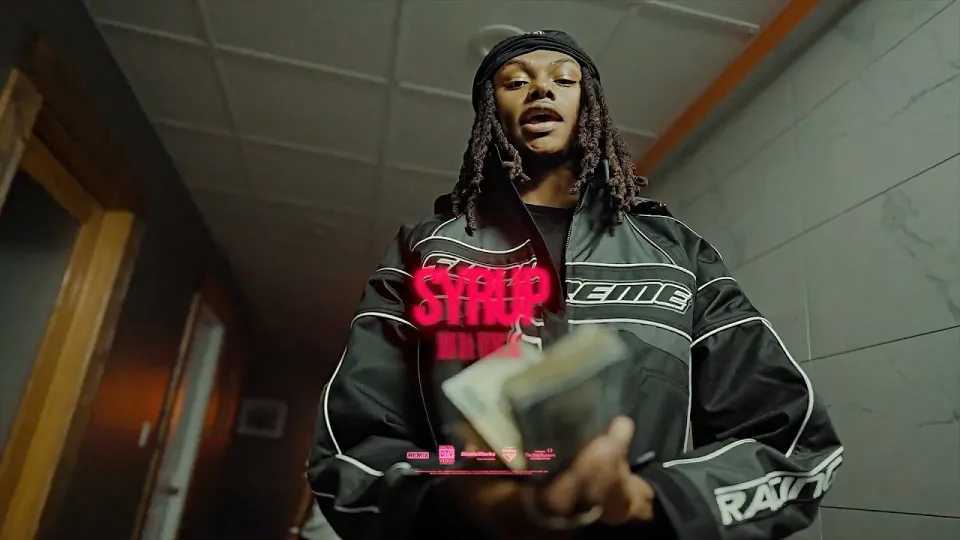
A Detroit beat is a Michigan rap instrumental style defined by fast, dry drums, short melodic loops and a heavy low end, and the free Rio Da Yung OG x Babyfxce E type beat "Syrup" from producer Reuel StopPlaying is a clean example of the format. You can grab the beat through the producer's purchase and download link and hear the full upload on the Reuel StopPlaying channel. The style sits at the meeting point of Detroit and Flint rap, so the same instrumental can carry a laid-back Rio Da Yung OG flow or a more aggressive Babyfxce E delivery.
What defines the Detroit beat sound
The Detroit beat sound is a stripped-back, drum-first approach where the groove carries the record and the melody stays out of the rapper's way. Producers in this lane rarely build dense arrangements; instead they repeat a short loop, push the percussion forward and leave wide gaps for punchlines and ad-libs.
Key ingredients you will hear in most Detroit type beats:
- Tempo in the 90–105 BPM range, fast enough for double-time flows but slow enough for conversational delivery.
- Hard, dry kicks and snares with almost no reverb, so every hit lands sharply.
- Sparse melodic loops, often a single piano, bell or vocal chop repeated for the whole track.
- A loud, saturated 808 or sub-bass that anchors the low end.
- Minimal switching: the beat usually stays on one or two sections, letting the vocal be the focus.
That formula is why the same instrumental can serve a Rio Da Yung OG record and a Babyfxce E track without feeling mismatched. The genre is less about complexity and more about attitude and space.
How "Syrup" fits the Rio Da Yung OG and Babyfxce E lane
"Syrup" is a free type beat built around the vocal and production habits of two Michigan rappers, and it is designed to be rapped over immediately rather than admired as an instrumental. The title points to the lean-and-lifestyle imagery common in Detroit and Flint rap, and the comments under the upload show listeners hearing specific flows and punchlines in their heads before writing a single bar.
What makes it usable as a type beat:
- The drum pattern is repetitive enough to freestyle over but still has enough bounce for a hook.
- The melodic loop is short, so a rapper can ride it with long, relaxed sentences in the Rio Da Yung OG style.
- The low end leaves room for a deep, deadpan vocal mix, which is standard in this scene.
- The producer tag is loud and memorable, which is exactly why listeners keep mentioning it.
The upload is labeled as a free beat, but free in this context means non-profit only. That distinction matters more than the tempo or the drum kit, and it is covered below.
Licensing: what "free" actually means here
The "Syrup" beat is free for non-profit, promotional and personal use only, and any for-profit release requires a paid license. This is the standard free-beat model used by many type beat producers, and misunderstanding it is the most common way rappers get into trouble after a song starts gaining traction.
What the terms allow:
- Free demos and promo CDs.
- Streaming your recording on YouTube, Facebook and similar platforms, provided credit is given.
- Live performances that are not for profit.
What the terms forbid:
- Selling the song, including on paid streaming distribution that generates revenue.
- Monetized video use and paid placements.
- Any commercial release without a non-exclusive or exclusive license.
Credit is mandatory on every distribution, physical or digital, in this format: "Produced by (Producer Name) for SoundFirst Productions". On streaming platforms, that credit must appear in the video description or equivalent written field; where written credit is impossible, a recorded vocal credit is required. The producer reserves the right to change the policy, so always check the current terms before release.
Common questions from rappers picking up this beat
The reaction to "Syrup" shows the real sticking points rappers hit with Detroit type beats: the tag, the sample, the tempo and whether the beat is genuinely usable. Most of the friction comes from expectations rather than the instrumental itself.
The producer tag is a feature, not a bug. Listeners repeatedly flag the tag as one of the hardest parts of the upload, and a distinctive tag is how type beat producers build a brand. If you license the beat for a commercial release, ask whether an untagged version is included.
Sample-based loops need clearance checks. Comments about where the melody comes from are a reminder that a recognizable sample can complicate a release. For a free non-profit demo it is low risk; for a paid release, confirm what the loop contains before distributing.
The tempo is a starting point, not a rule. Several listeners describe hearing a specific cadence over the beat, which is the point of a type beat: it suggests a flow. If the pocket feels too fast, try half-time phrasing before changing the BPM.
A free beat is a demo tool. The most practical use is to write, record and post a non-monetized version to test whether the song works. If it does, buy the license before pushing it further.
Practical steps to record over a Detroit type beat
Recording over a Detroit beat works best when you treat the instrumental as a skeleton and keep the vocal dry, forward and conversational. The genre rewards clarity and personality more than layered production tricks.
- Download the beat and confirm the license tier you need before you write.
- Set your project to the beat's tempo and record a reference take of the hook first.
- Track verses in short passes and keep ad-libs on separate tracks for punch and emphasis.
- Mix the vocal dry with light compression, and let the 808 sit under the kick rather than competing with it.
- Put the required production credit in the description of any upload.
- If the record starts earning, secure a non-exclusive or exclusive license before monetizing.
The same workflow applies to Flint type beats, Babytron-style instrumentals and other Michigan rap productions, because the arrangement is deliberately simple.
Useful links
- Buy or download the beat: https://bit.ly/2mxSONh
- Producer on Twitter: https://twitter.com/reuelethan
- Producer on Instagram: http://instagram.com/Reuelethan
Final thoughts on the Detroit beat format
The Detroit beat remains one of the most accessible entry points in rap production: fast, dry drums, a short loop and a loud low end are enough when the vocal has character. "Syrup" shows the formula working, and the listener reaction confirms that a strong tag and a memorable loop do as much work as any complex arrangement. Use the free version to write and test, then move to a paid license at https://bit.ly/2mxSONh before any commercial release. Reuel StopPlaying built this breakdown around that beat, and the channel is the place to hear how the style keeps evolving in 2026.
Source: [FREE] Rio Da Yung OG x Babyfxce E Type Beat - “Syrup” | Detroit Type Beat · Markdown version
Questions & answers
Is the "Syrup" Detroit type beat really free to use?
It is free for non-profit, promotional and personal use only. That covers free demos, non-monetized streams and non-profit shows. Any for-profit release requires a paid non-exclusive or exclusive license, and written credit must appear on every distribution.
What tempo and drum setup should I expect from a Detroit type beat?
Most Detroit and Flint type beats sit around 90–105 BPM with dry, punchy kicks and snares and a loud 808 underneath. The arrangement usually stays on one or two sections, leaving space for the vocal rather than filling it with melodic layers.
Do I have to credit the producer if I upload a song over this beat?
Yes. The required format is "Produced by (Producer Name) for SoundFirst Productions", placed in the video description or another written field on every physical or digital release. If written credit is impossible, a recorded vocal credit is required instead.
Can I remove the producer tag from the beat?
The free download is typically tagged, and the tag is part of how the producer builds recognition. If you need a clean version for a commercial release, ask about it when you buy the non-exclusive or exclusive license.